
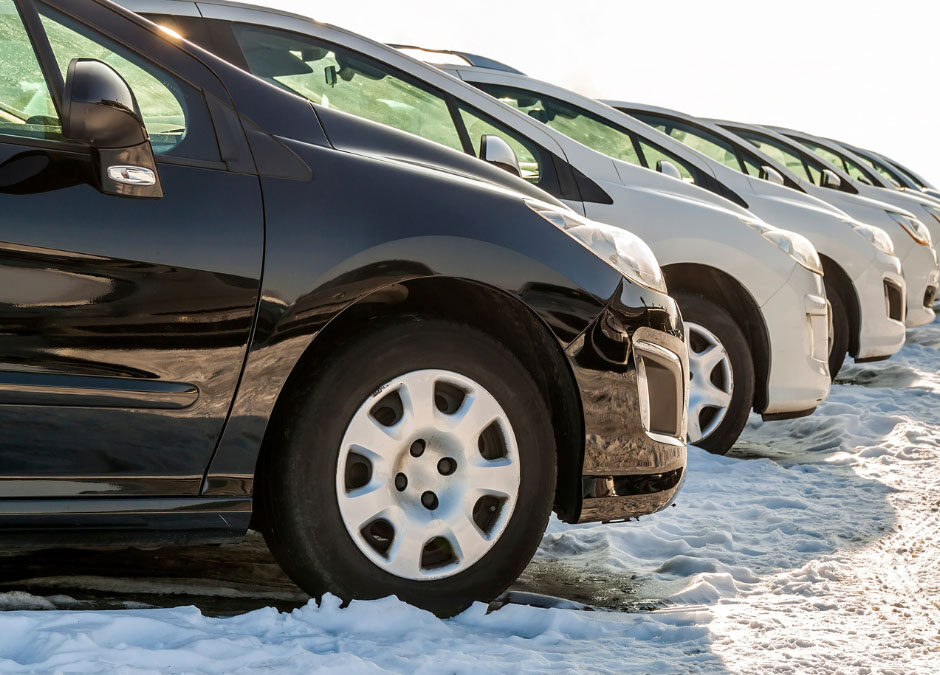
The arrival of cold weather marks a critical period for businesses that rely on commercial vehicles. Winter driving presents a unique set of hazards—from black ice and reduced visibility to the mechanical stress of freezing temperatures. For fleet operators, proactively managing these risks is not just about avoiding costly delays; it’s a crucial component of responsible operations and fiscal strength.
Here is a focused look at mitigating winter risks and understanding the role of your commercial auto policy.
Preparation is Paramount: Winterizing Your Fleet
The first line of defense against winter-related incidents is meticulous vehicle maintenance. Cold weather exacerbates minor mechanical issues, turning a small oversight into a major roadside breakdown or, worse, an accident.
- Tires and Traction: Inspect tire tread depth thoroughly. Consider switching to dedicated winter-grade tires for vehicles operating in consistently severe conditions, as they offer superior grip on snow and ice. Regularly check and maintain correct tire pressure, as cold temperatures cause it to drop.
- Fluids and the Engine: Ensure your cooling system has the proper antifreeze concentration to prevent engine block damage. For diesel fleets, utilize winter-blend fuel or appropriate anti-gelling additives to avoid fuel line blockages. Regularly drain air tanks to prevent moisture from freezing and compromising the air brake system.
- Visibility and Power: Replace worn wiper blades and use a high-quality, winter-grade windshield washer fluid. Test all lighting—headlights, taillights, and turn signals—for maximum visibility during shorter, darker days. Finally, test all batteries; the cold drastically reduces battery efficiency and increases the current needed to start an engine.
On-Road Strategies for Drivers
Even a perfectly maintained vehicle requires an attentive and cautious operator when conditions are poor.
- Adjust Speed and Distance: Remind your drivers that posted speed limits apply to ideal conditions. On slick roads, reduce speed significantly and quadruple the following distance to account for drastically longer stopping times.
- Smooth Operation: Emphasize the need for gentle inputs. Avoid sudden steering, rapid acceleration, or hard braking, as these are the primary causes of skids on ice and snow. If a skid occurs, drivers must be trained to gently steer into the skid until control is regained.
- Emergency Supplies: Every commercial vehicle should be equipped with an up-to-date emergency kit. This kit should contain high-visibility flares or triangles, a shovel, a sturdy ice scraper/snow brush, jumper cables, warm blankets, non-perishable food, and a traction aid like sand or cat litter.
Your Commercial Auto Policy in the Cold
Commercial auto insurance acts as the essential financial backstop when even the best preparations fail. Reviewing your policy now is a smart way to ensure full protection during the riskiest months.
- Collision Coverage: This is vital for covering damage to your vehicle resulting from an accident with another vehicle or object—a heightened risk when visibility is low and roads are slippery.
- Comprehensive Coverage: This addresses non-collision incidents, which are more common in winter. Think of damage from falling ice or tree limbs, vehicle theft, or even hitting a deer in a white-out.
- Downtime and Rentals: Consider the implications of a vehicle being out of commission after a winter-related incident. Does your policy include coverage for rental reimbursement or the costs associated with business interruption while a vehicle is being repaired? Minimizing operational downtime is crucial for commercial enterprises.
- Liability: Should your driver be deemed at fault in an accident, your Commercial Auto Liability coverage will respond to cover injuries or property damage to others, protecting your business assets from a major financial blow.
Diligence now prevents crisis later. While preventative maintenance and careful driver training mitigate risk on the road, your commercial auto policy is the ultimate defense against financial exposure. Don’t wait for the first severe storm to verify your protection. Speak with your broker or agent immediately. Confirm you have adequate Collision, Comprehensive, and Downtime coverage to handle everything from fender benders on black ice to costly vehicle downtime. Protecting your operations through the harshest season isn’t just about tires and fluids—it starts with a policy review that guarantees business continuity.